Warpdrive görselleri.. Project of warp drive
Jump to Lightspeed

Warp Speed: The Hype of Hyperspace
By Elizabeth Howell | April 27, 2016
Warp Speed: The Hype of Hyperspace
Hyperspace travel is the premise that it's possible to travel at speeds
faster than that of light when energy from other dimensions is harnessed,
and is an idea much used by science fiction writers. One famous example is
"Star Trek," where the starship Enterprise jumps from star system to star
system to visit other planets.
"If Captain Kirk were constrained to move at the speed of our fastest
rockets, it would take him a hundred thousand years just to get to the next
star system," said Seth Shostak, an astronomer at the Search for
Extraterrestrial Intelligence (SETI) Institute in Mountain View, Calif, in a
2010 interview with Space.com's sister site LiveScience. "So science fiction
has long postulated a way to beat the speed of light barrier so the story
can move a little more quickly."
But in reality, the concept is "a lot of hype," Shostak said.
The concept of hyperspace travel is also known as hyperdrive, subspace and
warp speed.
But the dearth of research and scholarly discussion on the transportation
method make it more often a convenient literary device than scientific
possibility, Shostak said.

The Millennium Falcon spaceship makes the "jump to light speed" in the movie
Star Wars Episode IV: A New Hope.
Other dimensions
Physics suggests that shortcuts through space do exist, Shostak said. The
curved nature of space was first proposed by Einstein, and quickly led to
the idea of a wormhole: a portion of space that curves in on itself,
connecting two otherwise distant parts of space. A spacecraft could
theoretically skip ahead to a distant region of space if it enters such a
wormhole between the two locations.
As in our familiar universe, objects in a wormhole would have to travel
slower than the speed of light, which, in a vacuum is 186,282 miles per
second (299,792 kilometers per second). But, a spaceship could appear to
have exceeded this limit by traveling through a wormhole and reaching a star
system thousand of lights years away in a matter of hours, for example.
However, our access to these inter-space freeways would be limited by the
size of the portal.
"Wormholes, we think, are made all the time on a microscopic level," Shostak
said. "But the question is, can we actually use them for transportation?"
Finding or creating a wormhole that's going to the right place and scooting
through it before it closes up and smashes one to pieces are two unsolved
problems that the laws of physics don't clearly bar or allow.
Technically, it would be possible to warp space to create wormhole if one
could place a very dense piece of mass in front of their rocket ship,
Shostak said. Perhaps similar to the "hyperspace engine" seen in the Star
Wars movies, the object would distort the shape of space around it,
essentially bringing the chosen destination closer to the ship. But the
object would need to have the density of the center of a black hole in order
to work.
"The problem is, where do you get the black hole and how do you get it in
front of your spacecraft?" Shostak said. "It's sort of like, how do you
create something that will warp space and then put it in front of your
spacecraft?"
What about teleportation?
A related science fiction idea is teleportation — the possibility of
instantly conveying a person or ship into another part of the universe. The
phenomenon is seen in "Star Trek," where the so-called transporter
deconstructs one's body and reconstructs it at another, distant location.
There is some scientific basis for this idea — scientists have shown that
subatomic particles can be moved from one point to another faster than the
speed of light, said physicist Ian Durham at Saint Anselm College in a 2010
interview.
But the ability to break apart and reassemble an entire human appears
impossible, Durham said. Because of the randomized aspects behind the
arrangement of subatomic particles, perfectly reversing them becomes
increasingly difficult as they accumulate in greater numbers.
Scientifically looking at hyperspace
While hyperspace is not a current form of space travel, there is ongoing
research to determine how viable it is — and what the experience would be
like.
In 2013, a group of physics students corrected the view of what happens when
spaceships fly at the speed of light. The familiar-to-us streaks of light (seen
in "Star Trek," "Star Wars" and other series) would not actually be the case.
Instead, the view would appear more like a centralized bright glow.
The fast travel would cause light to shift into longer wavelengths as per
the Doppler effect, which also explains phenomena such as why the sound of a
car horn changes before it passes an observer and afterward. In space,
humans would not be able to see starlight because its wavelengths would be
stretched into the X-ray spectrum. Also, the glow of the universe — which
glows in microwaves — would become visible because its light would be
stretched into the visible spectrum.
In 2015, rumors of a possible NASA warp drive called the "EM Drive" surfaced
on a NASASpaceflight.com forum and then spread around the Internet rapidly.
The reports said a prototype of this engine, which was intended to operate
without fuel and move faster than light, produced a small amount of thrust
when tested in a vacuum. Critics said it would violate physical laws.
When contacted by Space.com, however, NASA officials downplayed the research.
"This is a small effort that has not yet shown any tangible results," they
said. "NASA is not working on 'warp drive' technology."
----------------------------------------------------------------------------------
This Is What A Warp Drive Spaceship
17 June 2009
Warp drives may hold the key to reach the stars—despite the naysayers. The
Discovery Channel is featuring a scientifically accurate warpship design,
following our current knowledge of spacetime.
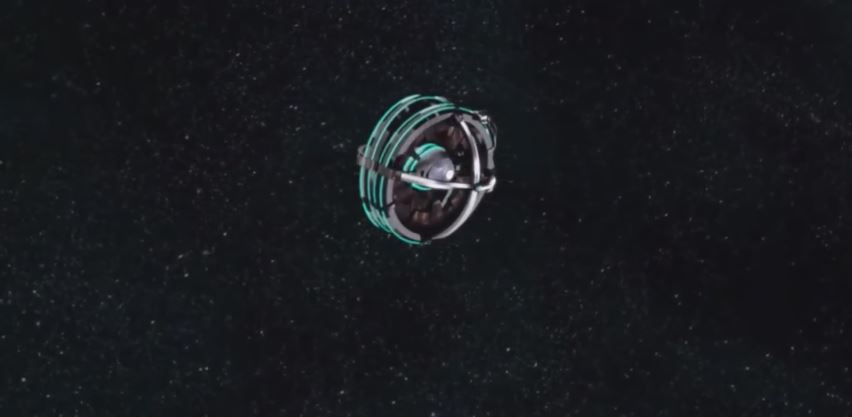
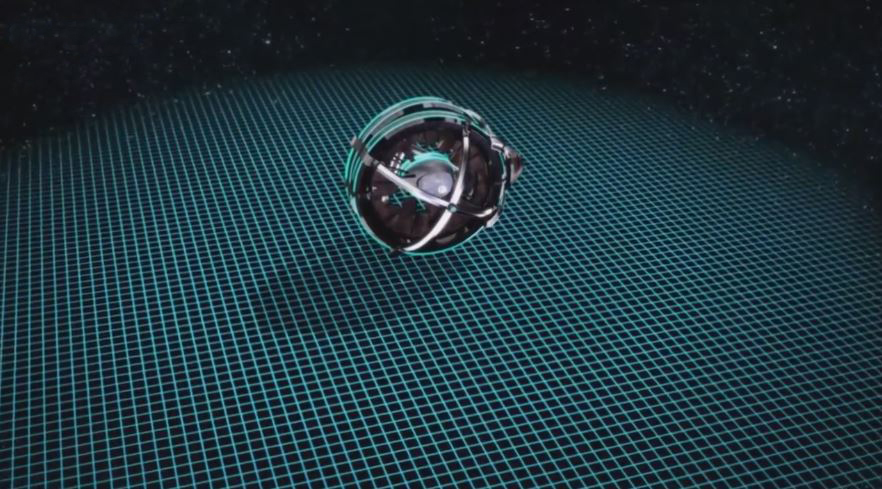
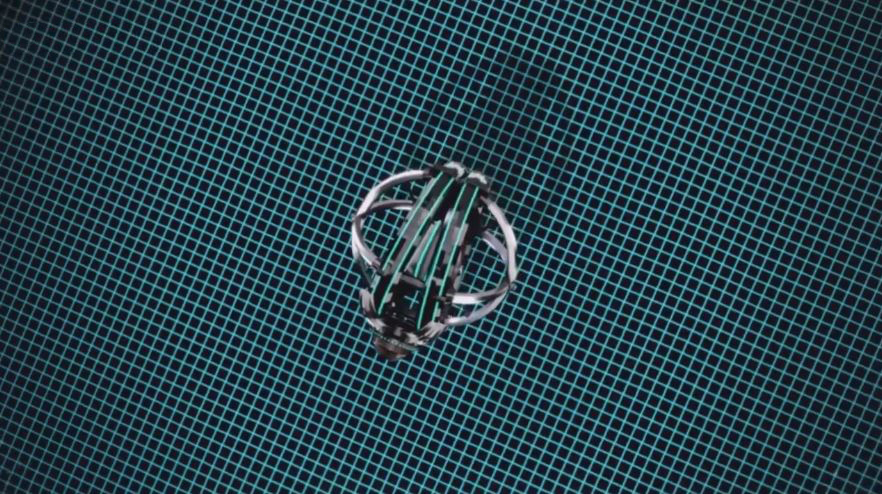
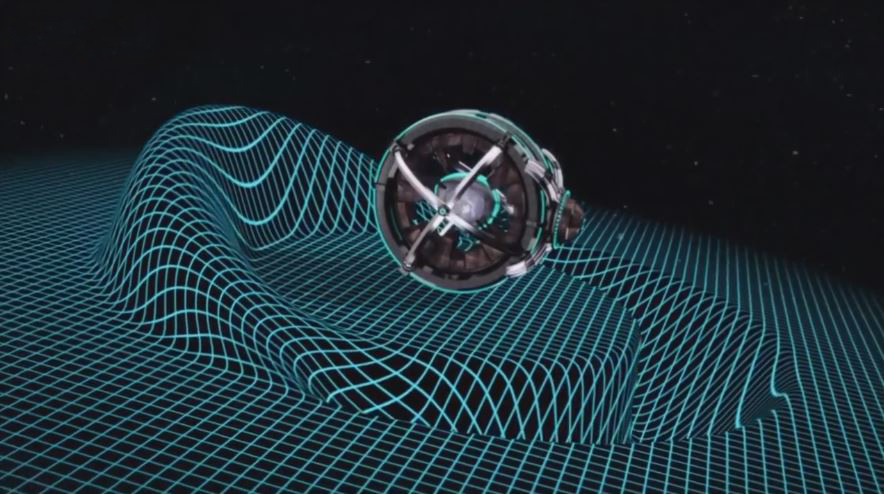
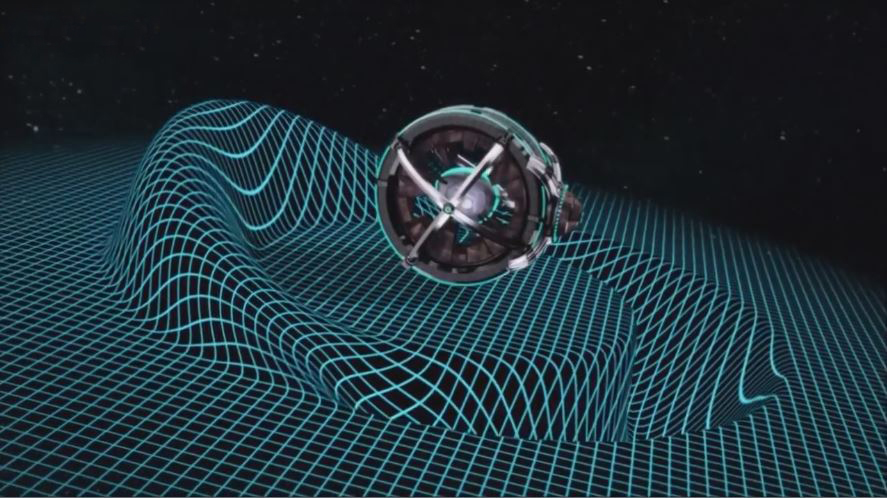
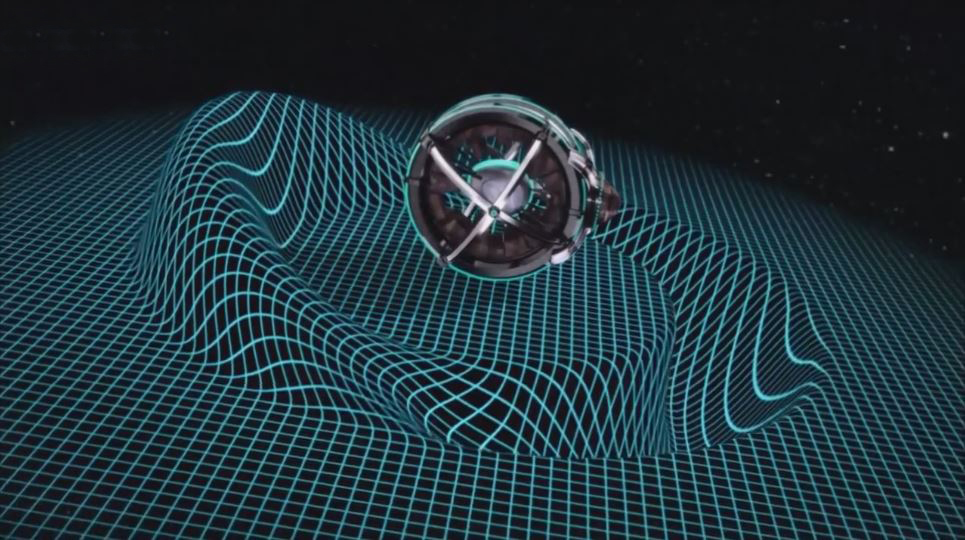
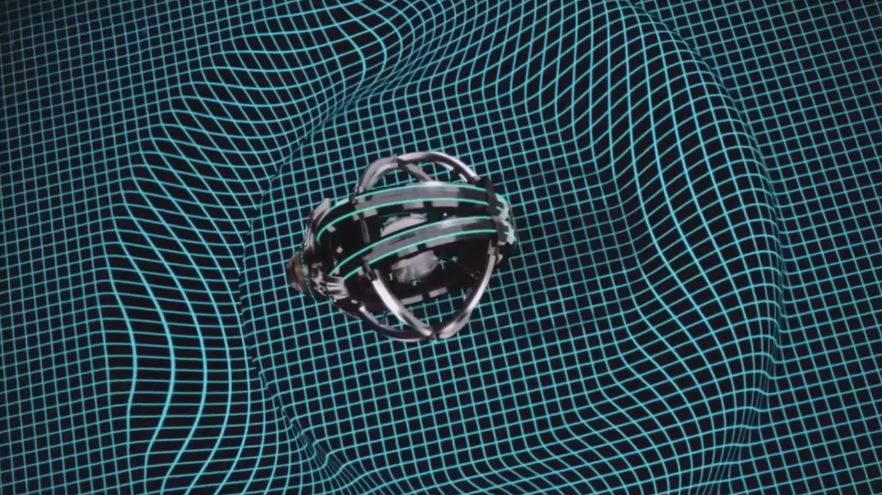
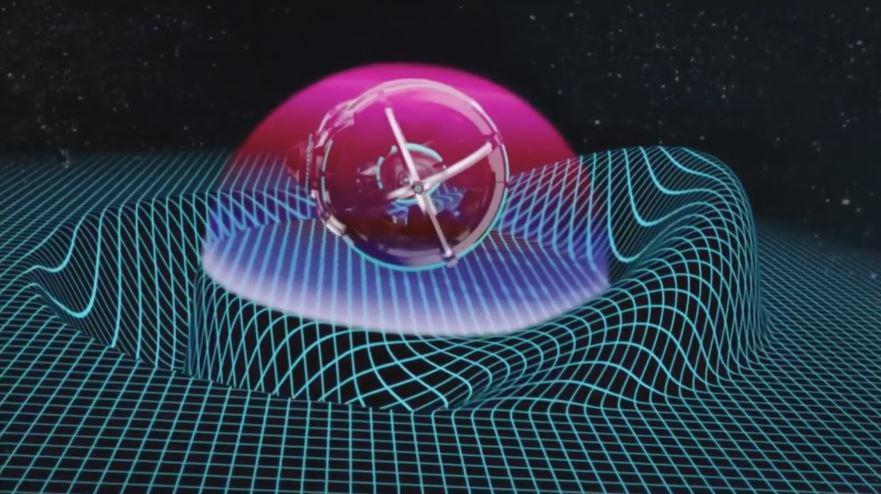
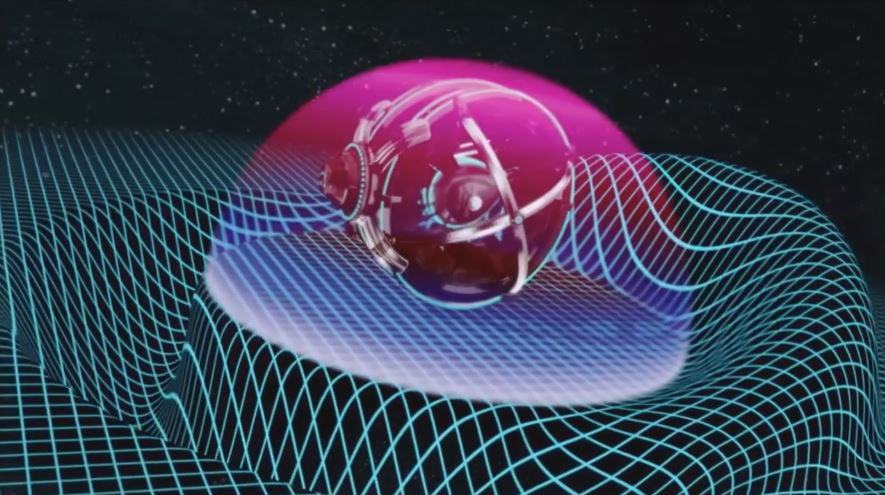
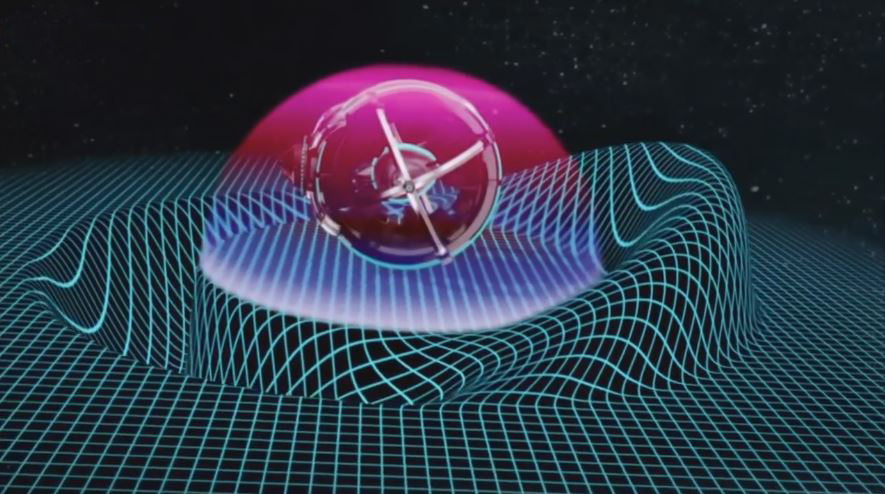
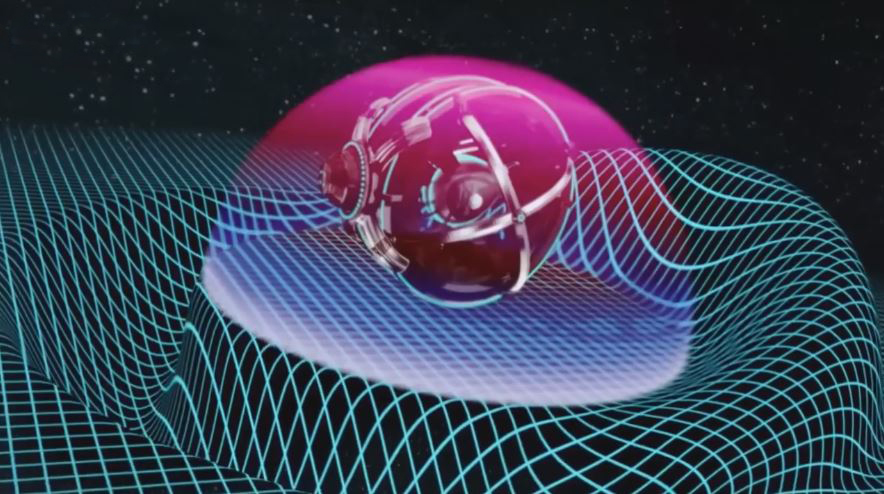
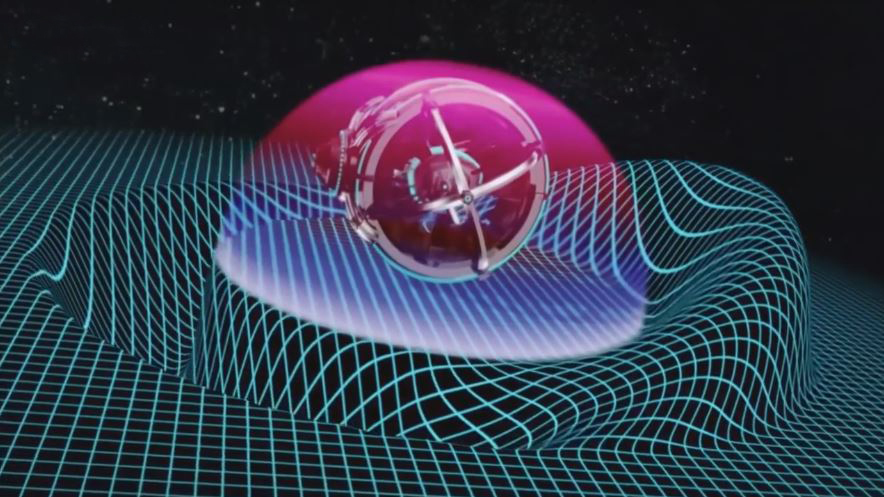
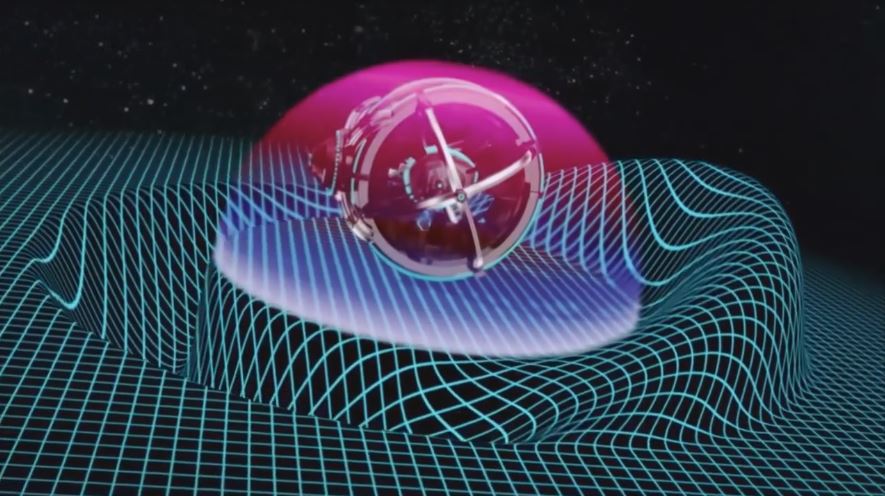
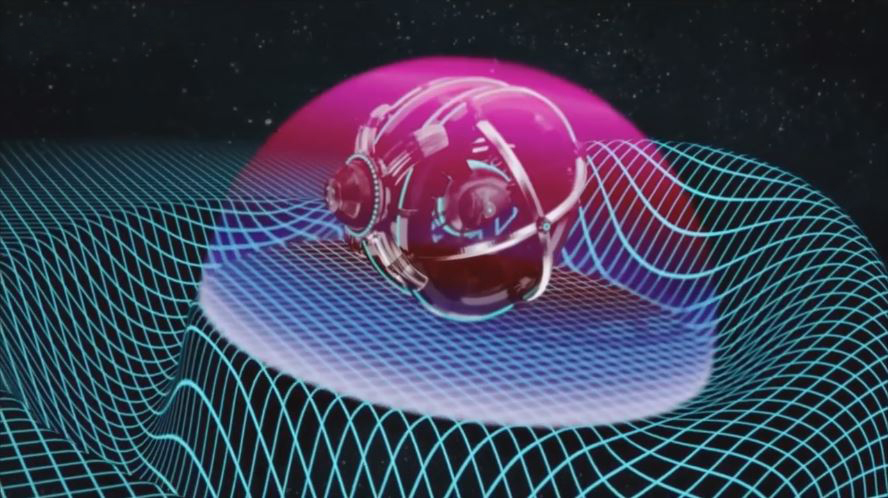
The spacecraft’s shape—created by Dr. Richard Obousy and Alex Szames
Antigravite—is optimised to manipulate the surrounding dark energy and surf
the spacetime bubble, as you can see in this concept image:
First proposed by Mexican physicist Miguel Alcubierre, a warp-drive powered
spacecraft won’t move faster than the speed of light-which is not possible
under Einstein’s relativity theory-but will move the space-time around it
faster than the speed of light itself. Unlike Alcubierre’s drive, Dr.
Obousy’s concept doesn’t use general relativity but “the physics of higher
dimensional quantum field theory.”


NASA Warp Drive Project - "Speeds" that Could Take a Spacecraft to Alpha Centauri in Two Weeks.

Sunday, 1 November 2015
NASA: Project of warp drive - NASA: Draft warp drive
According to the theory of physical Alcubierre, you could create a warp
bubble by applying negative energy, or energy created in a vacuum. This
process is based on the Casimir effect, Which states in That depression is
not actually a vacuum, However, the vacuum is actually full of fluctuating
electromagnetic waves. These waves Distorting Creates negative energy, Which
could distort space - time, creating a warp bubble. To see if there Has Been
in the distortion of space-time, it was assumed a laboratory experiment,
researchers Should use two highly precise laser: one through the empty space
and one regular. Should researchers then Appears the two beams, if the
wavelength of the One That goes through the void is elongated, ie it is
shifted towards the red, they will know who has gone through a warp bubble.
A team Has Been at work for a couple of months, but have yet to get a
satisfactory reading. The problem Is that the field of negative energy is so
small, That even the smallest movement of the seismic earth could distort
the results. The experiment is being tried in a campus building, Johnson
Space Center, Which Was originally built for the Apollo space program.
"The laboratory is seismically isolated," said White in TechNewsDaily.
White is working to re-calibrate the laser to the new location. He would not
speculate on When his team could expect from the Closing Date, nor how long
it might be ready engines are portable take advantage of this phenomenon,
but remains convinced That it is only a matter of time. "The speech Bottom
Line Is that still can do it, "said White. "So the main question is, can we?
'"
Sunday, February 23, 2014
Revisiting NASA’s "Is Warp Drive Possible?"
Revisiting: NASA’s Wormhole Warp through curved space, back and forth
through time .
Is Warp Drive Possible?
NASA researchers have actually been testing actual faster-than-light warp
drive practicality. By re-imagining of an Alcubierre Drive, it may
eventually result in an engine that can transport a spacecraft to the
nearest star in a matter of weeks — and all without violating Einstein's law
of relativity.
Star Trek's warp drive may not be restricted to the world of science fiction
after all. A few months ago, physicist Harold White shocked the aeronautics
world when he announced that he and his team at NASA had begun work on the
development of a warp drive. His proposed design, an ingenious re-imagining
of an Alcubierre Drive, may eventually result in an engine that can
transport a spacecraft to the nearest star in a matter of weeks.
'Star Trek' Science: How The Warp Drive Works
If you want to experience the thrill of travelling faster than the speed of
light, all you need to do is hitch a ride on the Starship Enterprise and
engage the ‘warp drive’. You’ll be able to enjoy a cup of hot Earl Grey
while visiting countless worlds through interstellar travel, all thanks to
the power of warp drive! Easy peasy.
Ok, so maybe the joys of warp drive can only be savored by the crew of the
Starship Enterprise. But fear not my fellow Trekkies, scientists are working
to correct this injustice as we speak. Without a warp drive, it would take
decades, if not hundreds of years, to explore nearby solar systems. If human
beings are ever going to explore the universe first hand it would seem that
traveling faster than light is an absolute must. Unfortunately, Einstein’s
theory of relativity states that nothing can travel faster than the speed of
light. However, there may be a way around that rule.
Some scientists believe that Einstein’s theory does leave room for space to
be bent and warped. Which means that a warp drive should also be physically
possible.
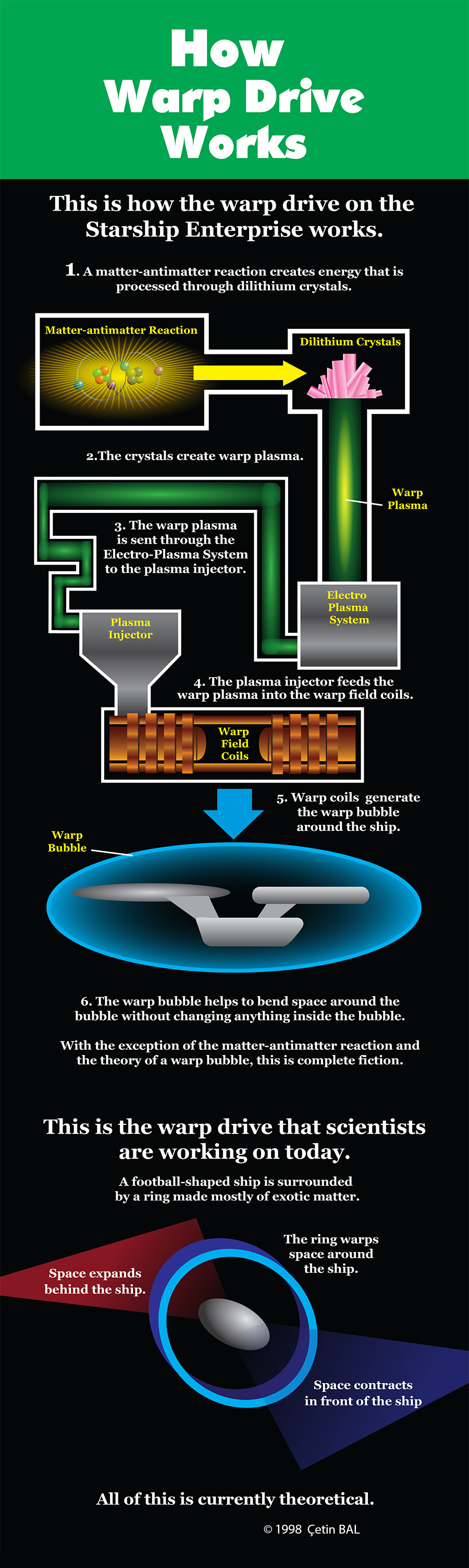
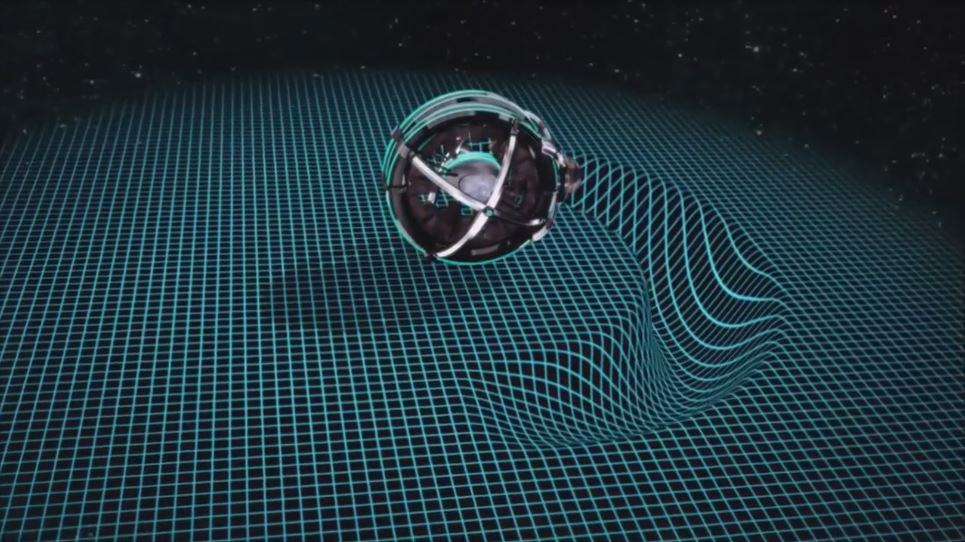
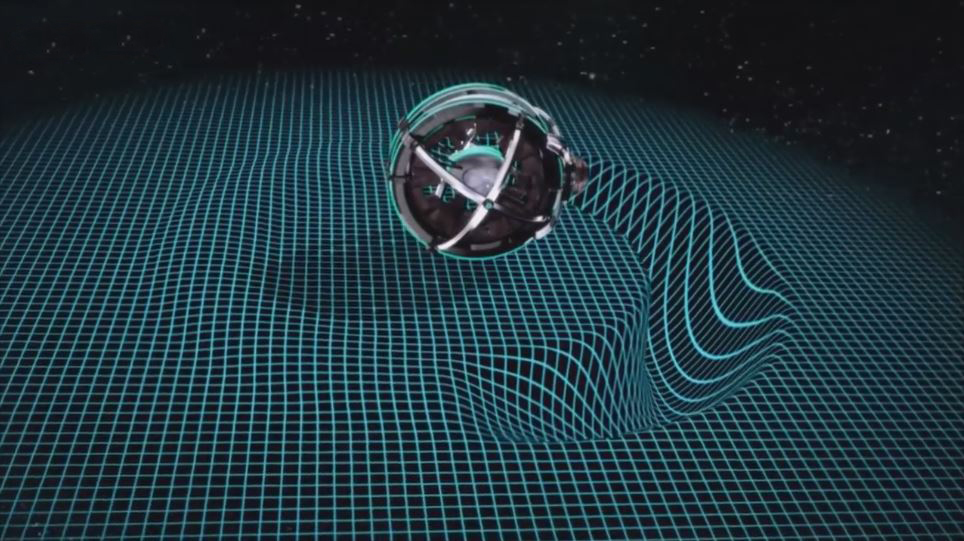
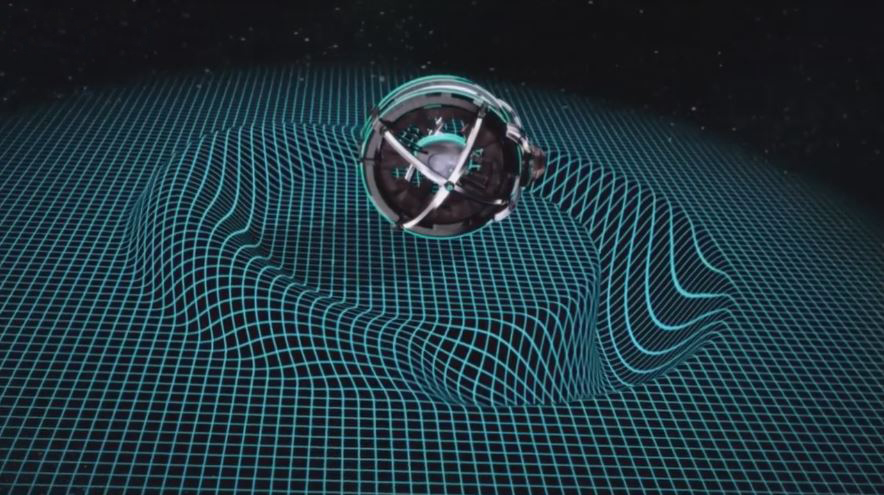
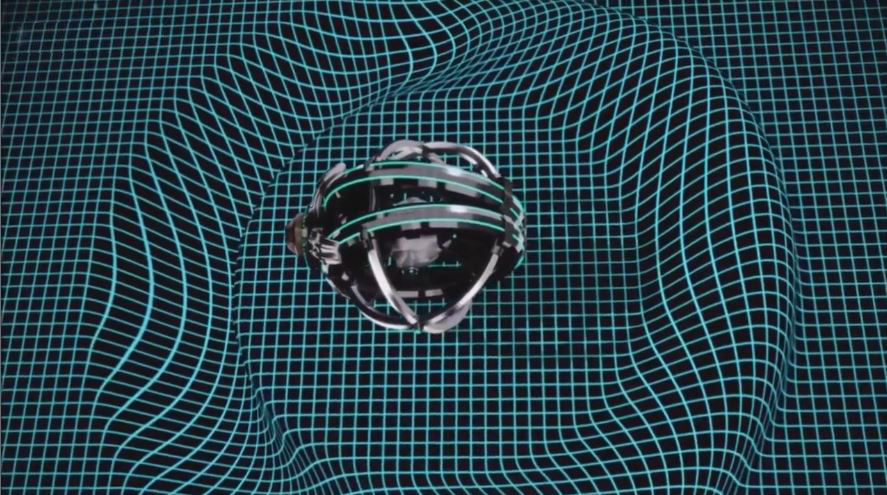
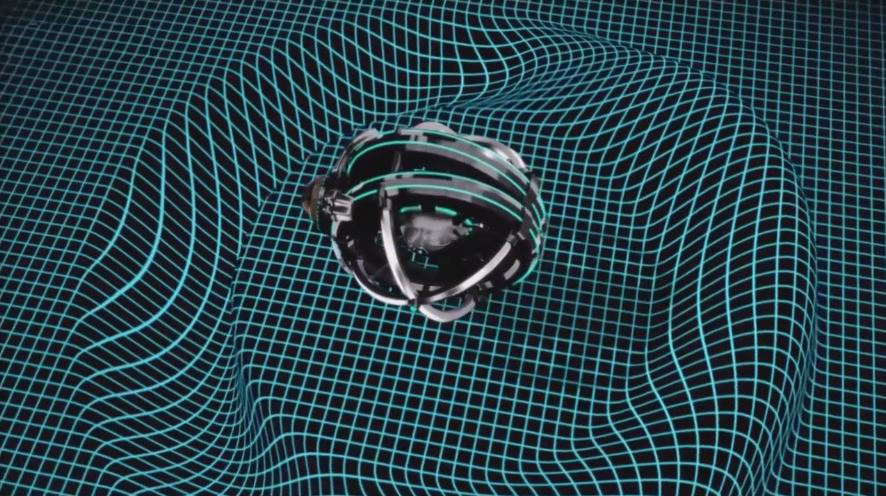
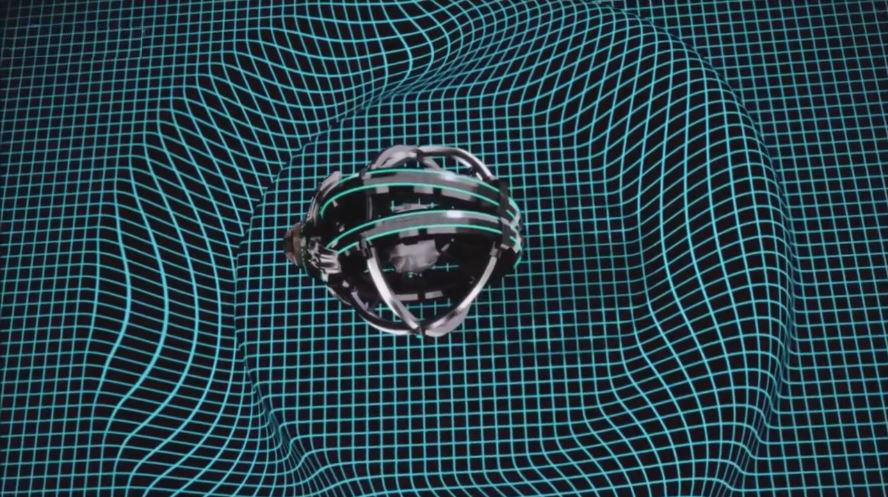
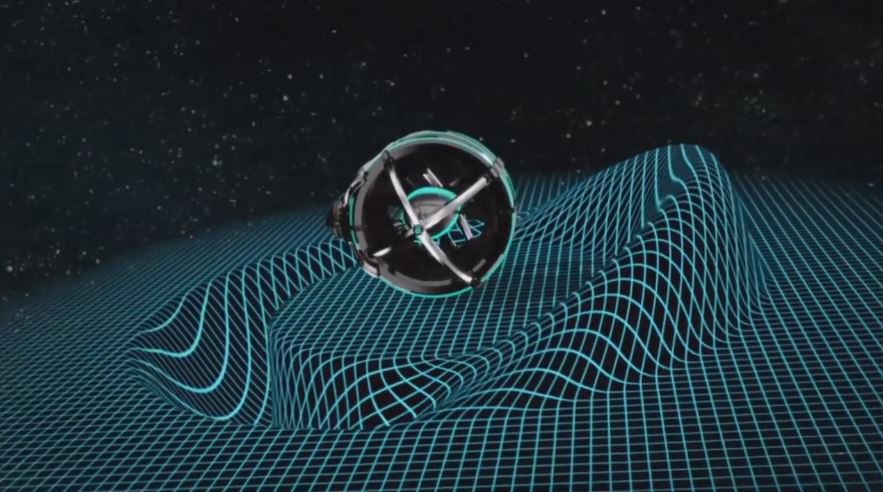
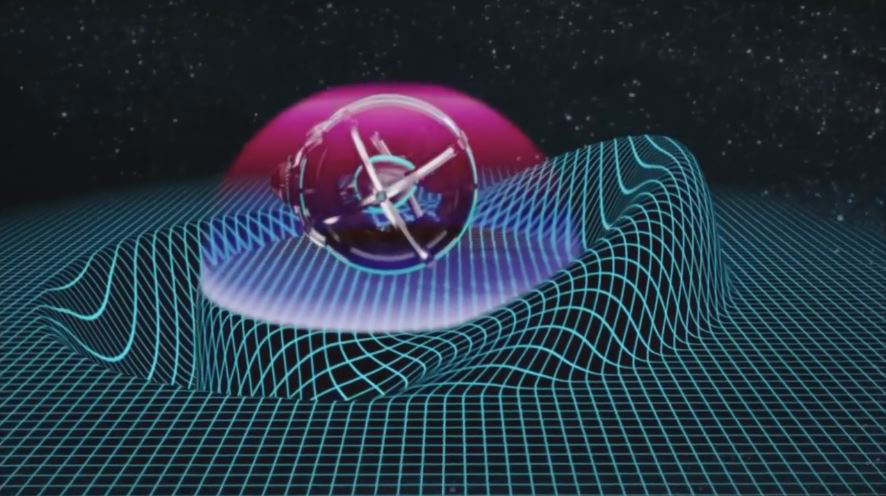
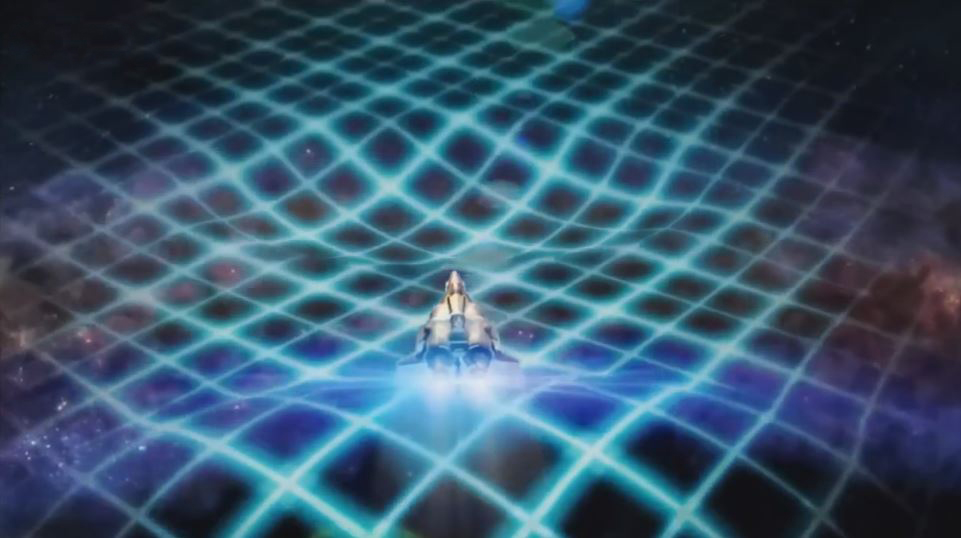
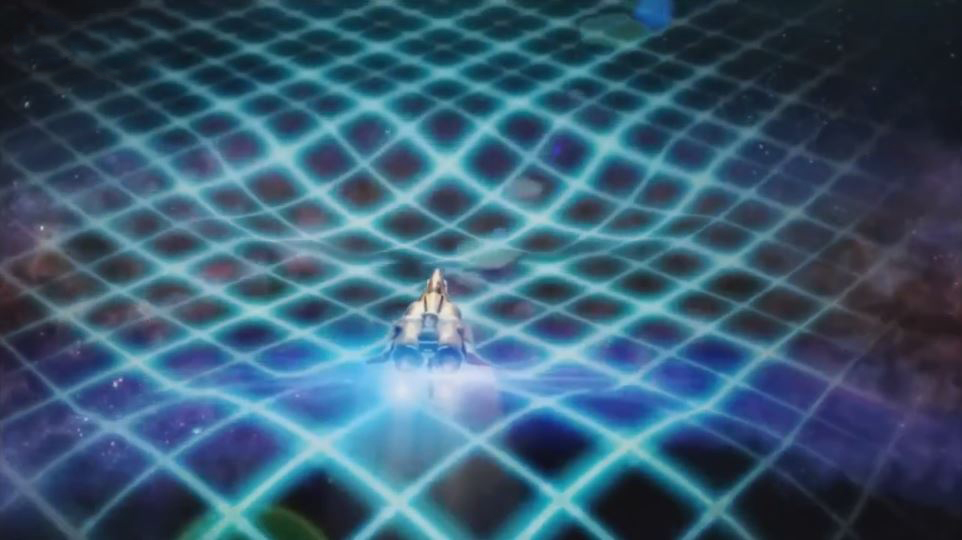
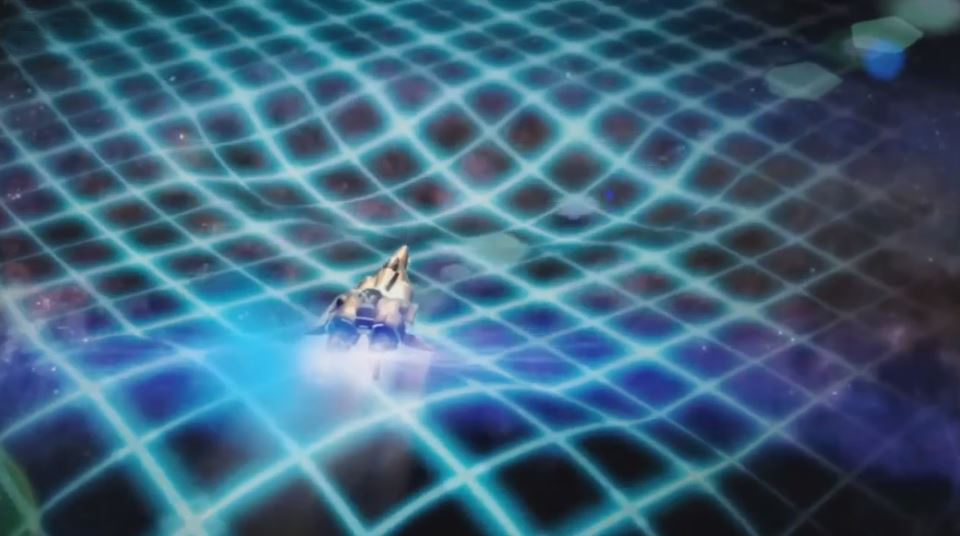
The infographic below compares the warp drive on the Enterprise to what
scientists are working on today.
How Warp Drive Works


BBC Knowledge - April 2015
Everyday science is progressing by leaps and bounds. Recently, just when we
were not looking, Canadian and Egyptian researchers theorised that the Big
Bang, what was long upheld as the reason for the origin of the Universe 13.8
billion years ago, might have not happened at all. And that the Universe
possibly existed more or less the way it is, from the beginning of time.
While the science community grapples with this fantastic suggestion and its
significance, science continues to sprint ahead. In this issue, we explore
space travel. Teleportation, that awesome ability that we secretly wished
for ourselves since the Star Trek days, is big news these days.
We may be still far from teleporting ourselves but read the feature on page 30 to discover the many unexpected things that are almost ready to be beamed up. But take heart Interstellar fans, if the movie left you pining for more juice on time travel - our cover story is a must-read. How To Travel Faster Than Light (page 48) discusses the fascinating phenomena of wormholes, those speedy shortcuts that hold the key to travelling through space. There is also DIY on how to build a wormhole.
Easy peasy While on the subject of doable space travel - the test flight in October of last year of SpaceShip Two from Virgin’s Galactic Enterprise may have crashed and disappointed, but surprising alternatives to high-altitude tourism are being developed and making impressive strides.
At this rate, the first space travel for tourists may just be in a balloon. Yes, you read this right. Read Balloon With A View on page 70.
The rest of the issue is packed with the good stuff too. Especially the pages on BRAINIAC quiz contest (pages 23-28) on where we announce the winner of our exhaustive, first ever all-India quiz in search of India’s smartest student. It’s Pranav Hari from Maharishi Vidya Mandir, Chennai. A big congratulations. Enjoy.

BBC Knowledge April 2015 IN - Warp Drive (pdf)
[
Ana Sayfa (Home)
|
UFO Technology
|
UFO's
Galleri | Kuantum
Fiziği | Roket bilimi
|
[ Astronomy |
E-Mail
| Index
| Warp
Drive Çizimleri-2
| Bilimsel
Makaleler
|